As technology advances, our everyday devices are becoming increasingly wireless. Wireless charging is no longer just a futuristic concept—it’s a practical and widely adopted solution in many modern smartphones, smartwatches, earbuds, and other gadgets. But how exactly does it work? How efficient and safe is it, and when does it make sense to use it?
In this in-depth article, we’ll explain how wireless charging works, the different types of technology, its advantages and disadvantages, common compatibility issues, and future innovations. Whether you’re new to the concept or looking to get more out of your devices, this guide has you covered.
How Wireless Charging Works
The Principle of Induction
Most wireless charging systems operate using electromagnetic induction. The charging base (transmitter) contains a coil that generates an electromagnetic field when powered by alternating current. The device (receiver) also contains a coil, which picks up this field and converts it into usable electrical current.
Key components:
Transmitter coil inside the charging pad
Receiver coil inside the device
Charge controller circuit that manages power flow
The Qi Standard
The most widely used wireless charging standard is Qi (pronounced “chee”), developed by the Wireless Power Consortium (WPC). This standard ensures cross-device compatibility among different brands and products.
Qi charging typically supports 5–15 watts of power, though the latest versions can deliver up to 50 watts. However, Qi requires precise alignment and only works over short distances—just a few centimeters.
Devices That Support Wireless Charging
Smartphones
Most recent smartphones support wireless charging, including:
iPhones (from iPhone 8 onward)
Samsung Galaxy S and Z series
Google Pixel 6/7/8
Premium models from Xiaomi, Huawei, OnePlus, etc.
Smartwatches
Many smartwatches support some form of wireless charging, but not all use the Qi standard:
Apple Watch – uses a proprietary charger
Samsung Galaxy Watch – WPC-compatible
Garmin, Huawei – often use custom solutions
Wireless Earbuds
Apple AirPods (Pro and 3rd gen)
Samsung Galaxy Buds
Various TWS earbuds from Xiaomi, Anker, etc.
Cars and Furniture
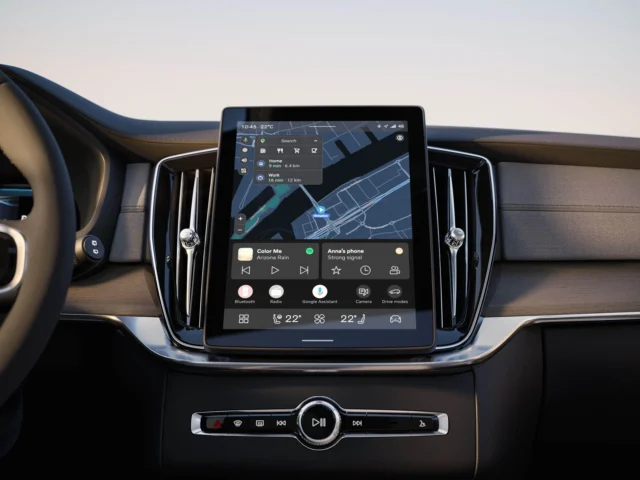
Modern cars often include built-in wireless charging pads (e.g., Tesla, BMW, Hyundai)
IKEA furniture features desks, lamps, and nightstands with integrated wireless charging pads
Benefits
Convenience
No cables or plugs needed
Just place the device down—it charges
Ideal for desks, nightstands, and entryway tables
Device Longevity
Less physical wear on ports and connectors
No frayed charging cables
Reduced risk of port failure or damage
Universal Charging
One pad for multiple devices
Reduced cable clutter
Drawbacks
Slower Charging
Typical Qi pads: 5–15 W
Wired fast charging: often 65–120 W
Charging may take longer due to coil alignment requirements
Heat Generation
More heat is produced than with wired charging
Misalignment can lower efficiency and increase heat
Some phone cases or metal materials may interfere
Compatibility Issues
Not all devices are Qi-compatible
Some brands use proprietary charging methods
Multi-coil pads may still have “dead zones”
What to Consider When Buying
Qi certification – ensure the charger is WPC-certified
Charging power (Watts) – match your device’s maximum supported speed
Cooling features – especially important for higher-wattage chargers
Multi-device support – check if it can charge phone + watch + earbuds
USB-C input – preferred for modern fast chargers
Included accessories – many pads are sold without an AC adapter
The Future: Long-Range Wireless Charging
Beyond the current contact-based methods, the next evolution includes resonant charging and true long-range wireless charging.
Resonant Charging
Greater distance between charger and device
Less sensitive to exact positioning
Uses magnetic resonance instead of induction
Long-Range Wireless Charging
Charging through the air
Emerging technologies from companies like Wi-Charge and Ossia
Potential range of several meters
Legal and health safety regulations still being developed
Best Practices and Tips
Avoid leaving your device on the pad unnecessarily
Don’t use metal phone cases – they may disrupt charging
Use low-wattage chargers for overnight charging
Monitor device temperature – if it overheats, remove it
Align the device carefully – poor placement reduces efficiency
Ideal Use Cases at Home
Recommended locations:
Nightstand – slow, overnight charging
Work desk – quick top-ups during the day
Kitchen or hallway – quick grab-and-go placement
Car dashboard – convenient while using GPS
Not recommended for:
Gaming environments, where phones tend to heat up
High-performance usage, like video rendering or multitasking apps
Conclusion
Wireless charging has become a reliable and convenient alternative to wired charging—but it’s not ideal for every situation. It’s a great choice for casual, everyday use, especially overnight or at a desk. However, if speed and power efficiency are top priorities, wired charging still has the edge.
Looking forward, true long-range wireless charging could eliminate cables altogether. Until then, being mindful of compatibility, placement, and use case will help you get the most out of this evolving technology.
Image(s) used in this article are either AI-generated or sourced from royalty-free platforms like Pixabay or Pexels.
This article may contain affiliate links. If you purchase through these links, we may earn a commission at no extra cost to you.
Get the weekly RF & IT briefing
Radio guides, RF calculators, AI, Windows, Linux and satellite communication explainers. One useful email per week. No spam.