NVIDIA could be preparing a temporary reduction in output for one of its more affordable desktop graphics cards, according to fresh industry speculation. While the company has not formally confirmed any such step, the rumor has already sparked discussion across the PC hardware market because it touches on two issues that matter greatly to buyers and sellers alike: oversupply and falling prices.
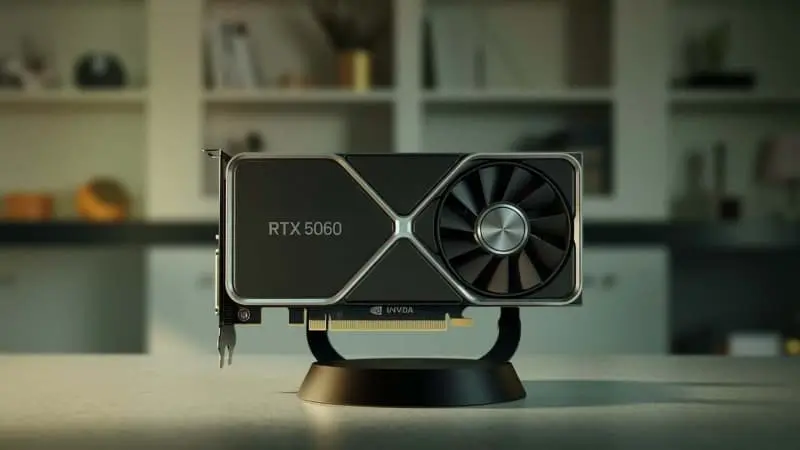
The report centers on the GeForce RTX 5060 Ti 8 GB, a model positioned in the highly competitive mainstream graphics card segment. In this part of the market, pricing, memory configuration, retail availability, and product timing can all influence buying decisions very quickly. If supply grows faster than demand, discounts start appearing, inventories rise, and both manufacturers and board partners may feel pressure to react. That is why even a short-term production adjustment can attract significant attention.
According to the latest claims, NVIDIA may briefly reduce or pause production of the RTX 5060 Ti 8 GB near the end of April 2026, with normal output potentially resuming during May. If that happens, add-in-board partners would temporarily receive fewer GPU shipments, which in turn could slow the arrival of new cards at distributors and retailers. The reported move would not necessarily signal a major strategy shift on its own, but it could indicate a targeted attempt to rebalance channel inventory before pricing weakens further.
Why a temporary GPU production cut could make sense
A short pause in graphics card production may sound unusual from the outside, but in practice it can be a rational market-management tool. Semiconductor and PC hardware companies do not simply manufacture as many units as possible and hope the market absorbs them. They constantly monitor inventory levels, retail sell-through, partner demand, and competitive positioning. If too many products remain unsold in the channel, price erosion can accelerate.
That is especially true in the lower mid-range and entry-level graphics card market. Buyers in this segment are often more sensitive to pricing than premium enthusiasts shopping for flagship GPUs. A small drop in price can meaningfully influence demand, while a slight improvement in specifications, such as more VRAM, can quickly make an existing model look less attractive. Because of that, even a limited oversupply can become a serious issue.
If NVIDIA is indeed seeing too much RTX 5060 Ti 8 GB inventory in the market, a controlled slowdown in supply would be one way to help stabilize pricing. By reducing the number of new units entering the retail chain, the company and its partners could give the channel more time to clear existing stock. In simple terms, fewer fresh shipments could help prevent deeper discounting.
The RTX 5060 Ti 8 GB sits in a sensitive market position
The GeForce RTX 5060 Ti 8 GB occupies a category where consumers tend to compare every detail closely. This is not the part of the market where brand strength alone guarantees demand. Buyers often weigh memory size, power efficiency, frame generation support, expected longevity, and simple price-per-performance value before making a decision.
That creates a challenging environment for any 8 GB graphics card in 2026. Whether fair or not, VRAM capacity has become one of the first specifications many consumers look at when evaluating a new GPU. Even when raw gaming performance is acceptable, a card with 8 GB of memory may face skepticism from buyers who are thinking about future game requirements, higher texture settings, or longer upgrade cycles.
This is one reason the RTX 5060 Ti 8 GB rumor has drawn interest beyond ordinary supply-chain gossip. If there is real concern about excess stock, part of the explanation may be that some buyers are waiting for alternatives, refreshed models, or simply better prices. The mainstream market tends to react very quickly when there is a perception that a current card may soon be replaced or repositioned.
Earlier rumors pointed to a broader slowdown
This is not the first time 2026 has brought speculation about the GeForce RTX 5060 family. Earlier unofficial reports suggested that NVIDIA might impose a much larger-scale slowdown affecting both the GeForce RTX 5060 and the RTX 5060 Ti, potentially stretching for months. Those claims created concern about possible shortages, fluctuating availability, and shifting prices in the affordable GPU segment.
That more dramatic scenario never materialized in the way originally described. However, the new rumor is more focused and therefore arguably more believable from a practical business perspective. Instead of a sweeping halt across an entire product family, it points to a narrower move affecting one specific version for a short period. That kind of targeted adjustment is easier to imagine as part of routine inventory control.
Even so, it remains important to separate rumor from fact. No official statement has been issued by NVIDIA, and unconfirmed supply-chain reports can change rapidly. Still, such leaks often generate attention because they sometimes offer an early glimpse into how vendors are responding to shifts in demand and stock levels behind the scenes.
Oversupply is a real threat to GPU pricing
When the market becomes oversupplied, the consequences usually appear first in pricing behavior. Retailers that need to clear inventory may reduce margins. Partners may introduce promotions or bundled offers. Price comparison sites begin to show a downward trend. Once discounting starts in earnest, it can become difficult to stop, especially if buyers sense that better deals are coming.
For a company like NVIDIA, price erosion in the mainstream graphics card market can create several problems at once. It may reduce revenue per unit, strain relationships with board partners that have already committed to inventory, and complicate the launch of refreshed models. If a new variant is expected soon, the company does not want the current version collapsing in price just before the update arrives.
This is why temporary supply controls can matter. A brief production pause does not need to eliminate inventory entirely to have an effect. In some cases, simply slowing the pace of new deliveries can give the channel enough breathing room to digest stock and reduce the need for aggressive discounts.
Possible connection to rumored 9 GB RTX 5060 and RTX 5060 Ti models
One of the most interesting parts of the broader rumor cycle is the suggestion that NVIDIA could introduce new GeForce RTX 5060 and RTX 5060 Ti variants equipped with 9 GB of memory. These rumored models have been linked to the period around Computex, which traditionally serves as a major stage for PC hardware announcements and industry updates.
If those cards are real, a temporary reduction in the supply of the current 8 GB variant could fit into a wider transition strategy. Vendors often try to clean up channel inventory before a refreshed configuration reaches the market. That helps reduce overlap, minimizes confusion, and lowers the chance that retailers will be stuck with too many older units once the updated models arrive.
A 9 GB memory configuration would not be a revolutionary change, but it could be enough to alter buyer perception. In the mainstream segment, even small specification changes can influence demand if they arrive at the right time and price. From a marketing standpoint, a revised memory setup can be presented as a meaningful improvement, particularly when conversations around VRAM have become so prominent among PC gamers.
How board partners could be affected
If the reported slowdown happens, third-party graphics card manufacturers would likely feel the impact first. These companies depend on a steady flow of GPUs from NVIDIA in order to build and ship finished products under their own brands. A short interruption in chip supply would not necessarily create panic, but it could disrupt planning, launch pacing, and pricing strategies for some custom card models.
Board partners also have strong incentives to avoid selling into a falling market. If prices weaken too fast, they may have to reduce margins or clear stock more aggressively than planned. That is particularly challenging for models that differ only slightly in cooling, factory overclock, or cosmetic design. When too many similar cards are chasing the same mainstream buyer, pricing pressure can intensify very quickly.
A temporary reduction in supply might therefore be welcomed by some partners if it helps slow the decline in street prices. On the other hand, if the pause coincides with rumors of refreshed cards, buyers may simply delay purchases, limiting the intended stabilizing effect.
What this could mean for graphics card buyers
For consumers, the rumored move creates uncertainty rather than a simple advantage or disadvantage. A short-term reduction in supply could make some RTX 5060 Ti 8 GB models harder to find at discounted prices. That might frustrate buyers hoping for a bargain. At the same time, if the market is already carrying substantial inventory, the effect could be modest and mostly invisible to end users.
The larger issue is timing. Buyers considering a mainstream GPU in 2026 are not just looking at today’s price. They are also thinking about whether a slightly better version might appear soon, whether current discounts will deepen, and whether 8 GB of VRAM is enough for the games they want to play over the next several years.
For users who need a graphics card immediately, the RTX 5060 Ti 8 GB could still be a reasonable purchase if the price is competitive and the intended workload is realistic. For esports titles, many current games at sensible settings, and general-purpose upgrades, such a card may remain perfectly serviceable. But buyers who prioritize long-term headroom may hesitate if a higher-memory revision seems likely.
The mainstream GPU segment is now more competitive than ever
The affordable graphics card market has become one of the hardest areas for vendors to manage. High-end models may generate headlines, but mainstream GPUs are where volume, price sensitivity, and buyer scrutiny all collide. Every specification matters more, every pricing move is watched closely, and every rumor about future models can change purchasing behavior almost overnight.
That makes inventory management critically important. Too little supply risks availability problems and lost sales. Too much supply leads to discounting, margin pressure, and product overlap. A company in NVIDIA’s position must navigate not only consumer demand, but also channel health, partner expectations, and competition from alternative offerings in the same price bracket.
Seen in that light, the rumored RTX 5060 Ti 8 GB production pause is not just an isolated leak. It reflects the broader tension shaping today’s GPU market, where manufacturers must balance performance positioning, memory expectations, retail strategy, and the constant possibility of a product refresh.
Why rumors like this matter even before confirmation
Even without official confirmation, supply rumors can affect the market. Retailers may adjust restocking decisions. Enthusiast communities may start advising buyers to wait. Price-watchers may interpret the leak as a sign that discounts are near the bottom. In some cases, the rumor itself becomes part of the market dynamic, influencing behavior before any actual change in production becomes visible.
That is one reason reports from board channels and supply-chain contacts continue to attract attention. They are not always correct, and they should never be treated as final fact. But they can sometimes point toward real strategic adjustments before those changes appear in public statements or quarterly commentary.
In the case of the RTX 5060 Ti 8 GB, the rumor is compelling because it aligns with broader industry logic. Oversupply can damage pricing, short-term supply controls can help moderate that, and a possible refresh cycle could provide additional motivation for such a move. None of that proves the claim is true, but it explains why the story is being taken seriously.
Nvidia, RTX 5060 Ti and the bigger pricing picture
The GeForce RTX 5060 Ti 8 GB is only one product, but the discussion around it highlights a much larger issue in the PC hardware industry. Graphics card pricing is not determined solely by benchmark results or launch MSRP. It is also heavily shaped by production volume, channel inventory, partner strategy, and the timing of successor models.
If NVIDIA does reduce output temporarily, the goal would likely be less about creating an artificial shortage and more about preventing excess stock from undermining pricing across the mainstream GPU category. That distinction matters. A short tactical adjustment aimed at channel stability is very different from a long-term manufacturing problem or a collapse in product demand.
At the moment, the safest conclusion is that the situation remains speculative. The company has not publicly endorsed the claim, and buyers should treat all such reports cautiously. But if the rumor proves accurate, it would be a clear example of how closely GPU makers monitor supply conditions in order to protect both pricing and positioning in a highly competitive market.
NVIDIA production rumors surrounding the GeForce RTX 5060 Ti 8 GB have gained traction because they combine several themes that matter to PC gamers and hardware watchers: oversupply, falling graphics card prices, partner inventory pressure, and possible refreshed RTX 5060 series models. Whether or not the reported production slowdown takes place, the story underlines a basic truth of the 2026 GPU market: mainstream graphics cards are shaped as much by inventory strategy and product timing as by raw technical specifications.
Image(s) used in this article are either AI-generated or sourced from royalty-free platforms like Pixabay or Pexels.
This article may contain affiliate links. If you purchase through these links, we may earn a commission at no extra cost to you.
Get the weekly RF & IT briefing
Radio guides, RF calculators, AI, Windows, Linux and satellite communication explainers. One useful email per week. No spam.